Stock Market Simulations: Building Trading Skills Through Fun Challenges


Many of us know the feeling. You open a finance website and see a wall of charts and terms that make little sense. Studying options and valuation metrics can seem like memorizing a manual. You understand the concepts but lack a true feel for them. That deeper comprehension typically arrives later. It happens when you place a live trade and feel your pulse quicken as the numbers move.
Stock market simulations flip this entire process on its head. They ditch the textbook approach for something far more effective: direct experience.
These platforms hand you the controls to a virtual trading account, letting you navigate the markets with play money. These platforms let you try out your ideas. You can enter competitions and watch your tactical choices unfold.
The best part is the freedom to fail. Making a bad call here doesn’t drain your bank account; it fills your head with practical lessons. Think of these simulators less as academic courses and more as interactive gyms where you strengthen your financial judgment in a no-pressure environment.
Finelo: The All-in-One Finance Playground
Finelo.com wraps financial education into a single, interactive platform. It stands out by blending structured learning with immediate application. You don’t just take a course on investing basics; you then jump into a simulated environment to try out the strategies you just learned.

Its simulator welcomes newcomers with live data for many assets, dynamic charts, and integrated tools. Built-in gamification separates it from basic practice modules. Leaderboards, daily missions, and streak counts give you a concrete purpose for regular use. The system combines short lessons with a protected area for trial and error.
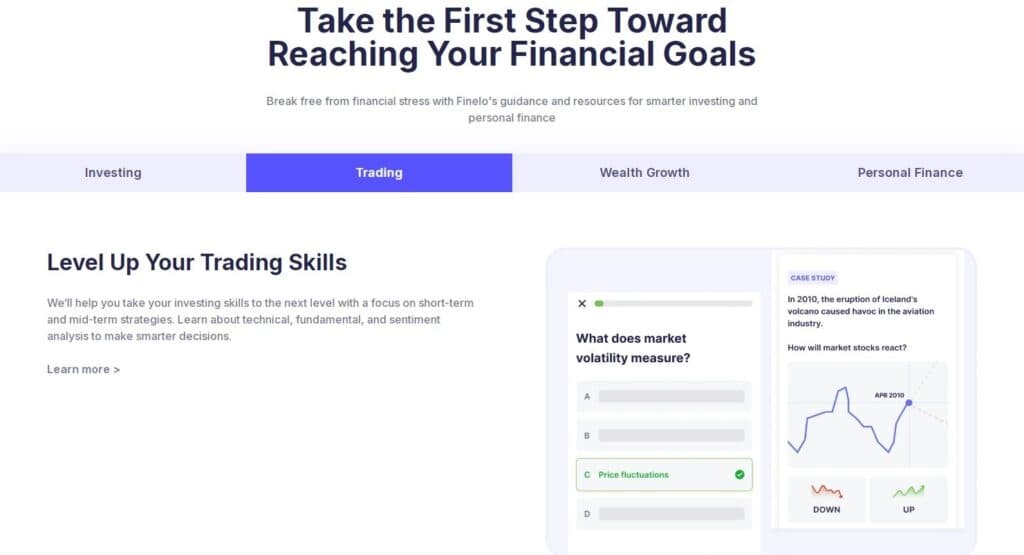
Why it fits this list: Finelo’s strength is its seamless loop of learning and doing. The “fun challenge” is baked into its core through personalized learning paths and social competition, making skill-building a structured and engaging process.
Your Pocket-Sized Trading Arena
If you want to practice trading directly from your phone, The Trading Game is built for that. This app turns market practice into a fast-paced, mobile experience. It provides a simulation with real-time prices across stocks, crypto, and forex.
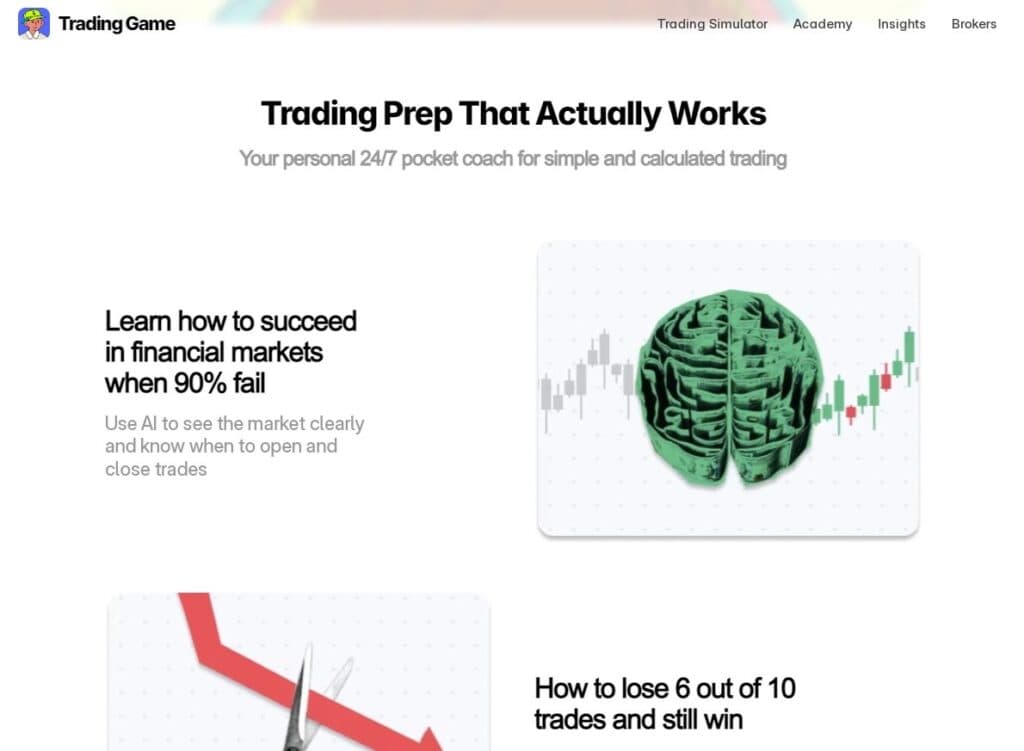
The layout is straightforward and uncluttered, avoiding the complexity of pro-level software. Its learning materials use clear visuals and brief sections. These lessons resemble a contemporary study tool. You can also challenge other traders directly in one-on-one matches. This personal rivalry encourages skill development.
Its place on this list: This platform prioritizes ease of use and immediate involvement. The challenges are immediate (daily battles and live leaderboards), making it easy to get a few minutes of practice wherever you are, turning spare moments into productive training sessions.
Wall Street Survivor: Learn by Playing the Game
Wall Street Survivor holds a long-standing position in virtual trading. It fully embraces its identity as a pastime. The site is known for tournaments with cash prizes, pitting you against a massive pool of participants.
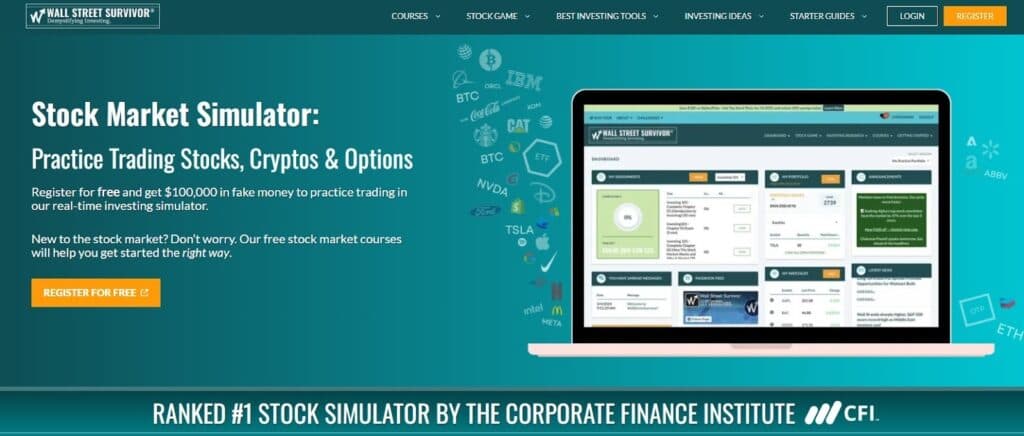
This is an energetic contest, not a static practice run. It pairs a capable simulator with simple courses and tests. These resources feel integrated into the overall experience, supplying the know-how to advance. The social aspect and rewarded events build a dynamic setting for education.
Why it fits this list: The “fun challenge” is the central premise. The potential to win real prizes in simulated competitions provides a powerful incentive to learn trading strategies and apply them under pressure, mimicking the motivations of real-world trading.
StockTrak: The Professional’s Practice Field
For those who want a simulation that closely mirrors the real thing, StockTrak is a heavyweight contender. This is one of the most comprehensive virtual trading platforms available, offering access to a vast range of assets, including global stocks, ETFs, options, futures, and even bonds. It’s the tool used by many universities and professionals.
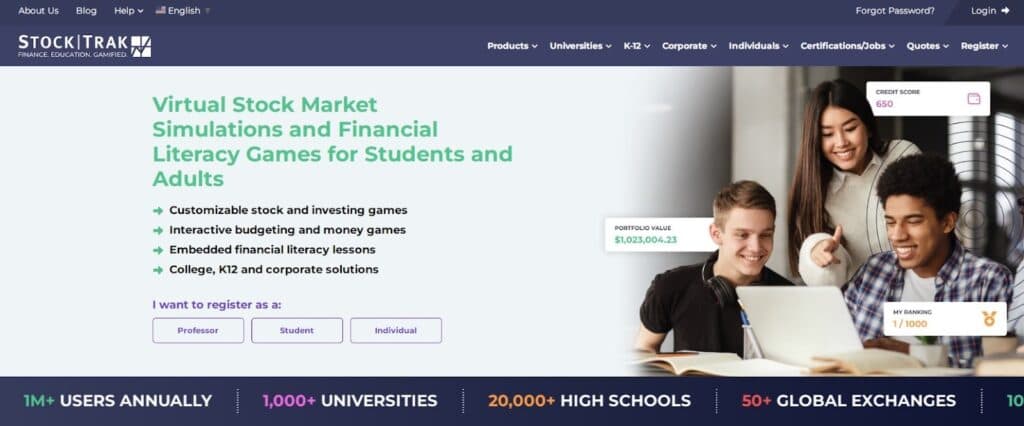
It demands more initial effort to master. The payoff is its authentic feel and flexible options. You can design particular situations, such as crafting a portfolio to withstand a downturn. This transforms the simulation into a focused mission. It delivers comprehensive feedback on your results, enabling a thorough review of your choices.
Its place on this list: StockTrak provides a disciplined, personal test. It serves people who use simulations with intensity. These users wish to evaluate advanced methods in a credible setting. The satisfaction stems from gaining command of a detailed platform.
Choosing Your Simulation: Match the Platform to Your Learning Style
Selecting a simulator involves more than a generic top pick. You need to find one that matches your learning style and personal aims. Different platforms connect with different users.
Many users feed off rivalry.
Watching your username rise on a public scoreboard fuels their drive. For them, Wall Street Survivor works well. The excitement of facing countless others for rewards converts abstract theory into an engaging activity. This setting trains you to make swift decisions during volatile periods.
Others prefer a structured, personal learning path.
If you like to understand the “why” behind every action before you take it, a platform like Finelo provides that guided experience. It connects lessons directly to practice, letting you immediately apply a new concept about technical analysis or portfolio diversification in its simulator. This method builds deep, foundational knowledge in a logical sequence, preventing you from feeling overwhelmed.
Then some learn by immersing themselves in a realistic environment.
For anyone planning to use a professional brokerage later, a simulator like StockTrak offers the most authentic preparation. Its detailed performance analytics and wide range of assets aren’t designed for quick games.
They are built for deliberate practice, allowing you to test complex strategies with a level of detail that closely mimics a live trading account. The learning here comes from meticulous planning and review, not fast-paced competition.
Knowing what you prefer makes it easier to choose a platform you will use regularly. You learn best with a tool you find engaging enough to open day after day.
Final Thoughts
Stock market simulations succeed where textbooks fail because they trade passive learning for active participation. They replace theoretical risk with tangible consequences, making the lessons of the market unforgettable. Whether you’re drawn in by the competitive thrill of a trading game, the clear structure of an integrated course, or the serious tools of a professional simulator, you are ultimately building the same thing: practical judgment.
This process builds a distinct form of confidence, one grounded in direct experience instead of hopeful thinking. You discover your personal reaction to market dips and identify which investment methods suit your temperament. This self-awareness becomes your most critical tool for moving to a live account.
The ultimate reward extends beyond a growing virtual portfolio. It is the developed ability to steer through financial markets with clarity and purpose. Your next move is to select a platform and begin your practical training.